Guelph’s Highly Rated Caterer for Full-Service Events
Elevate Your Event: Remarkable Culinary Services for All Occasions
Transforming an event through catering demands careful consideration of multiple elements. The choice of catering approach can substantially shape the overall experience. Trends such as hands-on dining setups and eco-friendly components are rising in appeal. In addition, accommodating dietary requirements and staying within budget are important. Understanding these elements can transform an ordinary gathering into something memorable. However, identifying the right approach and service is essential for achieving the intended outcome. Where does one go from here?
How to Pick the Right Catering Style for Your Event
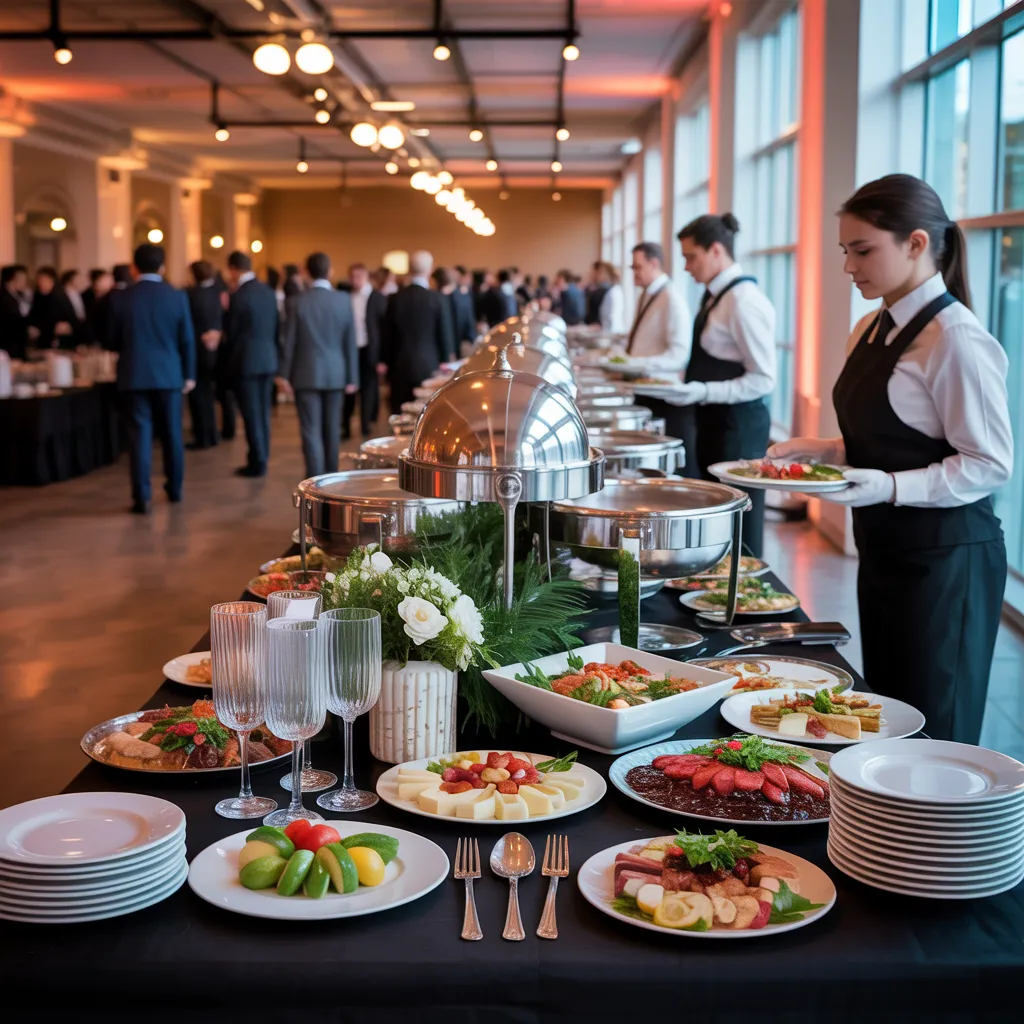
When planning an event, how does one establish the ideal catering style? The selection copyrights on various key elements, including the event type, guest count, and venue. Formal occasions, such as corporate functions or weddings, frequently call for plated service, which offers an elegant dining experience. On the other hand, relaxed gatherings like informal parties often benefit from a buffet or family-style dining setup, promoting socialization and engagement among guests.
An additional factor concerns the food preferences and dietary requirements of participants, which necessitate a flexible menu that accommodates various needs. Furthermore, the budget plays an essential role; certain catering approaches can be more economical than alternatives. Finally, the overall atmosphere desired should match the chosen catering style, whether it be formal or relaxed. Ultimately, recognizing these factors enables organizers to choose a catering style that enhances the gathering while satisfying both visual and practical needs.
Leading Catering Trends That Will Wow Your Guests
Modern events are progressively adopting innovative catering trends that elevate the guest experience. A notable development is the incorporation of engaging food displays, giving guests the opportunity to customize their meals in live settings. This not only introduces an exciting aspect but also promotes lively engagement between guests.
Eco-friendly and locally obtained ingredients are becoming increasingly popular, reflecting a growing awareness of environmental impact and health consciousness. This trend not only enhances flavor but also supports local economies.
Additionally, themed gastronomic adventures immerse guests in global traditions through thoughtfully prepared cuisine, producing remarkable moments at the table. Finally, the rise of breathtaking visual displays, such as intricate edible compositions and striking arrangements, ensures that each dish is as much a feast for the eyes as it is for the palate. Combined, these innovations define an extraordinary catering journey, creating enduring memories for guests while defining the character of the occasion.
How to Make Certain All Dietary Needs Are Taken Care Of
Managing dietary requirements at events necessitates the early recognition of restrictions to ensure inclusivity. Offering a diverse menu that accommodates various preferences and requirements is essential for guest satisfaction. Proper labeling of food items additionally helps prevent confusion and fosters a secure dining environment.
Determine Dietary Restrictions in Advance
How do event organizers ensure that all guests feel welcomed and content? Identifying dietary restrictions early is vital for achieving this goal. In advance of the event, organizers should issue invitations that incorporate a request for food preferences and dietary restrictions. This forward-thinking method enables them to collect vital information and address diverse requirements, including allergies, intolerances, and lifestyle preferences such as veganism or gluten-free eating.
Organizers can also consider setting up an easy-to-use online form or survey to make the process more efficient. By consolidating this collected data, they can assure that all guests are catered for, promoting an inclusive and welcoming environment. Ultimately, early identification of dietary restrictions not only improves the overall guest experience but also demonstrates the organizer's dedication to careful and considerate planning.
Feature an Extensive Array of Menu Options
Following the collection of dietary restrictions, event organizers can proceed by presenting a wide range of menu options designed to suit all attendees. A carefully planned menu should offer vegetarian, vegan, gluten-free, and nut-free alternatives, guaranteeing that no attendee is left out. Through the inclusion of diverse culinary traditions, organizers can satisfy various tastes while honoring dietary preferences and limitations. Seasonal ingredients can enhance flavor and freshness, making dishes more appealing. Furthermore, offering a combination of starters, entrees, and desserts enables guests to savor a complete culinary journey. Working with catering professionals who focus on diverse menu options can help ensure that all dietary considerations are satisfied, ultimately cultivating an inclusive setting that enriches the overall event experience.
Clearly Label Your Food
How can event organizers ensure guests are well-informed and comfortable with their food options? Accurate food labeling plays a vital role in accommodating dietary needs. Organizers should utilize signage that specifies ingredients and highlights common allergens such as nuts, gluten, and dairy. This level of clarity empowers guests to make well-informed decisions and reduces potential health hazards. Moreover, using color-coded labels can streamline the process of identifying vegan, vegetarian, and gluten-free dishes. Providing detailed descriptions on menus enhances understanding and encourages guest engagement. Organizers are encouraged to have trained personnel readily available to respond to questions regarding the food. Through the adoption of these approaches, event organizers can foster an inclusive environment where every attendee feels assured about their food choices, enhancing the overall event experience.
Designing a Custom Menu for Your Theme
Creating a bespoke menu for an special occasion enhances the entire experience, guaranteeing that the food selections align with the event's essence. A thoughtfully designed menu reflects the event's tone, whether it be a elegant gala, a festive birthday gathering, or a relaxed outdoor picnic. By taking into account the overall theme, event organizers can select culinary creations that align with traditions, visual themes, and cultural inspirations.
Utilizing locally seasonal components does more than boost taste as it also suits the overall theme of the event. For instance, a tropical-inspired setting might feature colorful fruits and refreshing seafood, while a rustic occasion could highlight wholesome, locally obtained dishes. Additionally, addressing dietary needs and limitations ensures that all guests feel included, allowing all guests to enjoy the culinary journey.
In the end, a bespoke menu transforms ordinary dining into an integral part of the celebration's journey, creating an enduring memory that goes well beyond the final course.
How Professional Service Makes a Difference in Catering
High-quality catering service remarkably improves the overall event atmosphere, making sure that guests feel well-cared for and appreciated. Steadiness and trustworthiness are defining characteristics that separate skilled caterers from the rest, offering confidence that all elements will fulfill expectations. This level of service not only reflects the event's quality but also reinforces the host's reputation.
Effect on Event Experience
While the food served at an event may be a primary focus, the quality of catering staff greatly impacts the overall experience. Experienced service personnel not only ensure that dishes are displayed elegantly but also manage the timing and flow of service, which can improve guest enjoyment. Thoughtful catering professionals create an inviting atmosphere, allowing hosts to engage with their guests without concern. In addition, experienced service professionals can provide insights about the menu, guaranteeing guests are informed and satisfied with their selections. Ultimately, the flawless delivery of catering services contributes to a memorable event, leaving a enduring impact on attendees. A well-coordinated catering experience transforms the occasion, highlighting the significance of professional service in event planning.
Reliability and Uniformity Assurance
Guaranteeing consistency and reliability in catering services is fundamental to a successful event. When clients hire professional caterers, they anticipate a smooth experience, from initial planning to final execution. Trustworthy catering companies copyright high standards, making certain that food quality, presentation, and service are kept consistent. This reliability assures clients that their guests will have an unforgettable dining experience.
Moreover, professional catering teams excel at managing logistical challenges, like impromptu adjustments or article nutritional considerations, while upholding high service standards. Their background empowers them to predict likely challenges, easing concerns for event managers. Fundamentally, the consistency of a catering team directly affects the overall success of an event, building confidence and motivating clients to book again for upcoming events.
Budgeting for Catering: Maximizing Value
Managing the intricacies of catering budgets can significantly influence the general outcome of an event. Creating a well-structured budget is essential, as it defines the boundaries for all decisions related to catering. Those organizing events should begin by determining the full amount allocated and breaking it down into specific sections, such as service fees, food, and drinks.
Distinguishing between needs and wants can prove beneficial in maximizing value; for instance, opting for a buffet setup may deliver greater selection at a more affordable price than plated service. Furthermore, discussing terms with catering companies can produce cost savings or special arrangements, enhancing the overall experience without breaking the bank.
Integrating locally sourced seasonal produce can also reduce costs while ensuring fresh and flavorful dishes. Through a methodical review of options and strategic decision-making, event planners can create an unforgettable catering experience that fits within their budget while maintaining high standards.
Reviewing and Picking the Ideal Catering Service
How can event planners effectively evaluate and choose the right catering service? The process begins with establishing the specific needs of the event, such as the preferred cuisine style, number of guests, and any dietary restrictions. Subsequently, planners are advised to evaluate possible caterers through online ratings, customer feedback, and documented records of prior events. Organizing tasting sessions is vital for properly judging the quality and presentation of the food.
Budget factors carry significant weight; planners should secure comprehensive quotes covering all expenses, including operational fees and any applicable overtime expenses. Engaging in direct communication with caterers helps to gauge their responsiveness and willingness to accommodate unique requests. Moreover, confirming valid licenses and adequate insurance coverage secures trustworthiness and professional credibility.
Finally, organizers should seek suggestions from colleagues or industry contacts to refine their choices. By integrating these strategies, planners can confidently select a catering provider that matches their expectations and elevates the overall event.
Commonly Asked Questions
How Far in Advance Should I Book Catering Services?
Professionals advise booking catering services a minimum of three to six months ahead of time for high-demand dates and venues. This ensures availability, allows for menu customization, and provides ample time for all necessary changes and preparation.
Do Catering Services Offer Rentals for Tables and Chairs?
Numerous catering providers feature rental packages for furniture and seating, providing a comprehensive approach for functions. Customers are encouraged to look into these extra offerings when reserving to make certain every requirement is fulfilled for their function.
What Becomes of Leftover Food Following the Event?
After the event, leftover food is typically assessed for safety and quality. A large number of catering providers give leftover food to local charities or shelters, while others may wrap it up for clients or handle disposal in a responsible manner.
Are Gratuities Included in the Catering Cost?
Tips are generally not factored into the catering price. It is recommended that clients consult with the catering service about their gratuity practices, since the provider may propose a percentage relative to the total invoice or quality of service rendered.
Can I Sample the Menu Items Before Placing My Final Order?
Yes, a tasting session is usually arranged before the order is finalized. This opportunity allows clients to sample the menu options, making sure the chosen dishes match their tastes and event requirements.